Walking Shoe Fit, Sizing & Width: Getting It Right
How to measure your feet, decode width letters (B, D, 2E, 4E), and avoid the sizing mistakes that cause blisters, numb toes and wasted money.
Updated August 15, 2026 · by the Best Shoes for Walking team
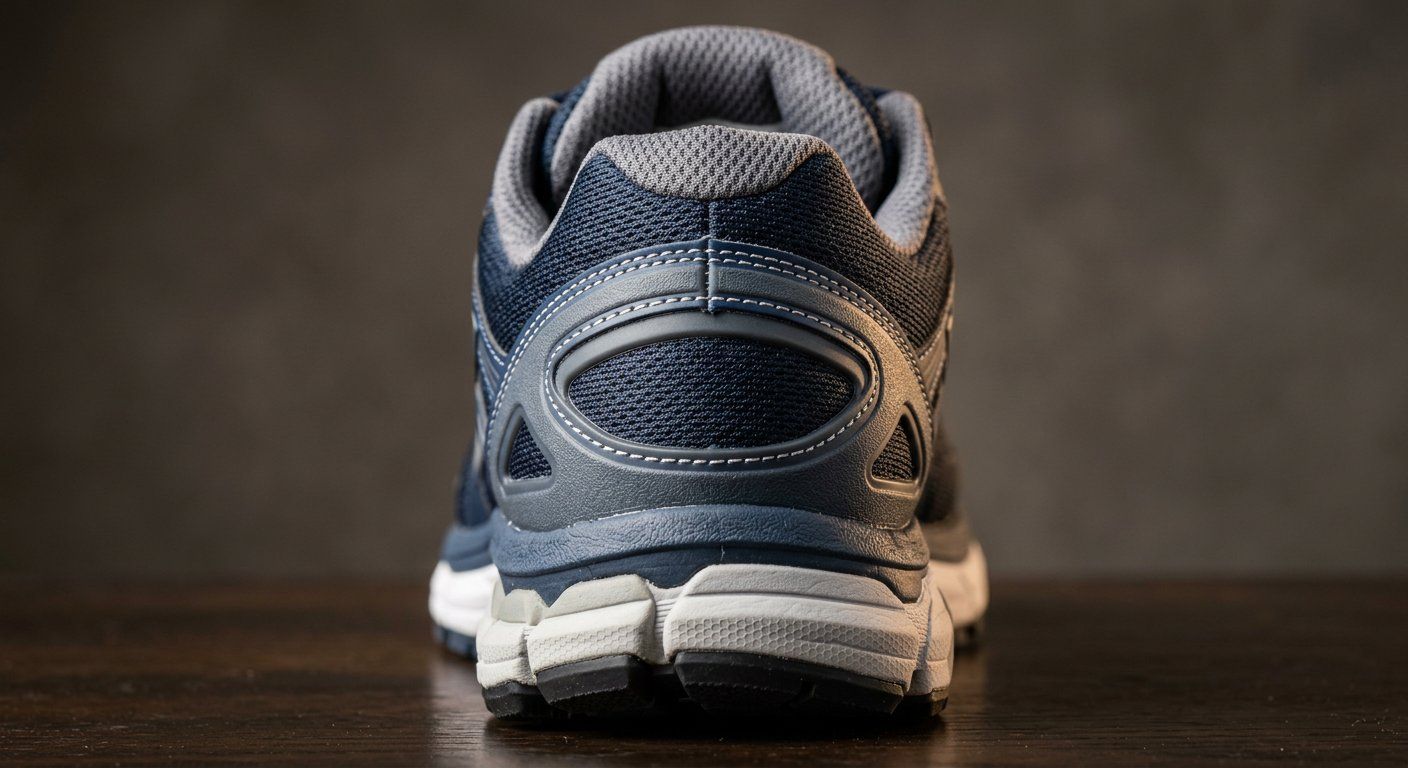
Fit beats everything. A $180 shoe that doesn’t fit will hurt more than a $90 shoe that does. This guide covers how to measure, what the width letters mean, and the mistakes that cost walkers the most.
Measure first, buy second
Do this at home in two minutes (or use the width finder):
- Stand on a sheet of paper, weight evenly distributed, in your walking socks. Do it in the evening — feet swell during the day.
- Trace both feet with a pen held vertically.
- Measure the longest length (heel to longest toe) and the widest width (across the ball of the foot) in millimetres. Use the larger of your two feet.
- Compare against a brand’s size chart — but treat charts as a starting point, not gospel.
The thumb rule
In the shoe, you want about 8–10 mm (a thumb’s width) between your longest toe and the end, with the midfoot held snugly. Three quick checks:
- Heel lock: your heel shouldn’t slide more than a few millimetres when you walk.
- Midfoot: the shoe should hug without pinching across the top (the instep/volume matters as much as width).
- Toe room: wiggle your toes freely. Toes touching the end = too short; toes swimming = too long or too wide.
Decoding width letters
US widths, narrow to wide: AA (2A), B, D, 2E, 4E, 6E — roughly:
- Women’s standard is usually B; wide is D (or 2E in some brands).
- Men’s standard is usually D; wide is 2E; extra wide is 4E.
- Width is not standardized across brands. A New Balance 2E and a Brooks 2E are not identical. This is exactly why our database lists width availability per model, and why trying shoes on matters.
Wide feet? You have options
- True wide widths (2E/4E): brands like New Balance, Brooks and ASICS run wide options across many models.
- Foot-shaped toe boxes: Altra (and Topo) build shoes whose toe box is anatomically shaped — roomy across the toes without a “wide” label.
- Avoid the “size up” trap: sizing up for width adds length you don’t need and causes heel slip. Filter the database for wide options instead.
Narrow feet
- Look for narrow widths where offered, or brands with snug-fitting lasts.
- Lacing systems matter: a shoe with a strong lacing lockdown (or extra eyelets) can dial in fit for lower-volume feet.
Sizing across brands
Different brands — and even different models within a brand — fit differently. Some run short, some run narrow. Rather than memorizing all of them, hold a new shoe against a current one that fits, sole to sole. If the new one is shorter, order up half a size.
Break-in: a myth and a truth
Modern mesh shoes should be comfortable on day one. A short “softening” period is normal; a painful one is not. If a shoe needs serious breaking in, it’s probably the wrong size or shape. (Leather shoes are the exception — they genuinely stretch and mould.)
The bottom line
- Measure in the evening, in your socks, standing.
- Prioritize width and toe-box shape — the #1 cause of walking discomfort.
- When between sizes or widths, buy both and return one.
Then use the shoe finder to build a shortlist that fits your walking, and compare the finalists before you buy.
Frequently asked questions
My toes go numb when I walk — is the shoe too small?
Usually it's a width or volume problem rather than length. Your forefoot spreads as you walk, and if the shoe is too narrow across the ball it compresses nerves. Try a wider width or a foot-shaped toe box before going up a size — going up in length often just adds slop in the heel.
How much room should be at the toe?
About a thumb's width, 8–10 mm, between your longest toe and the end of the shoe. More than that and your foot slides; less and your toes jam on downhills and long days.
Do I measure my feet in the morning or evening?
Measure in the late afternoon or evening, standing up, in the socks you'll actually walk in. Feet swell measurably over the course of a day.
Ready to apply this? Use the shoe finder · filter the database · compare shoes